Two weeks with our producers in Huila
Notes from our ninth harvest visit to the Ramírez family farm near La Plata, Colombia: drying beds, a new variety and a very long bus ride.
The bus from Neiva to La Plata takes four hours if the road is dry. It was not dry. By the time we reached the Ramírez farm it was dark, and Doña Lucía had kept dinner warm for two hours anyway.
This was our ninth visit. The first time, in 2017, we bought six bags of their washed Caturra because it was the sweetest coffee on a cupping table in Bogotá. This year we are buying forty-two.
The harvest
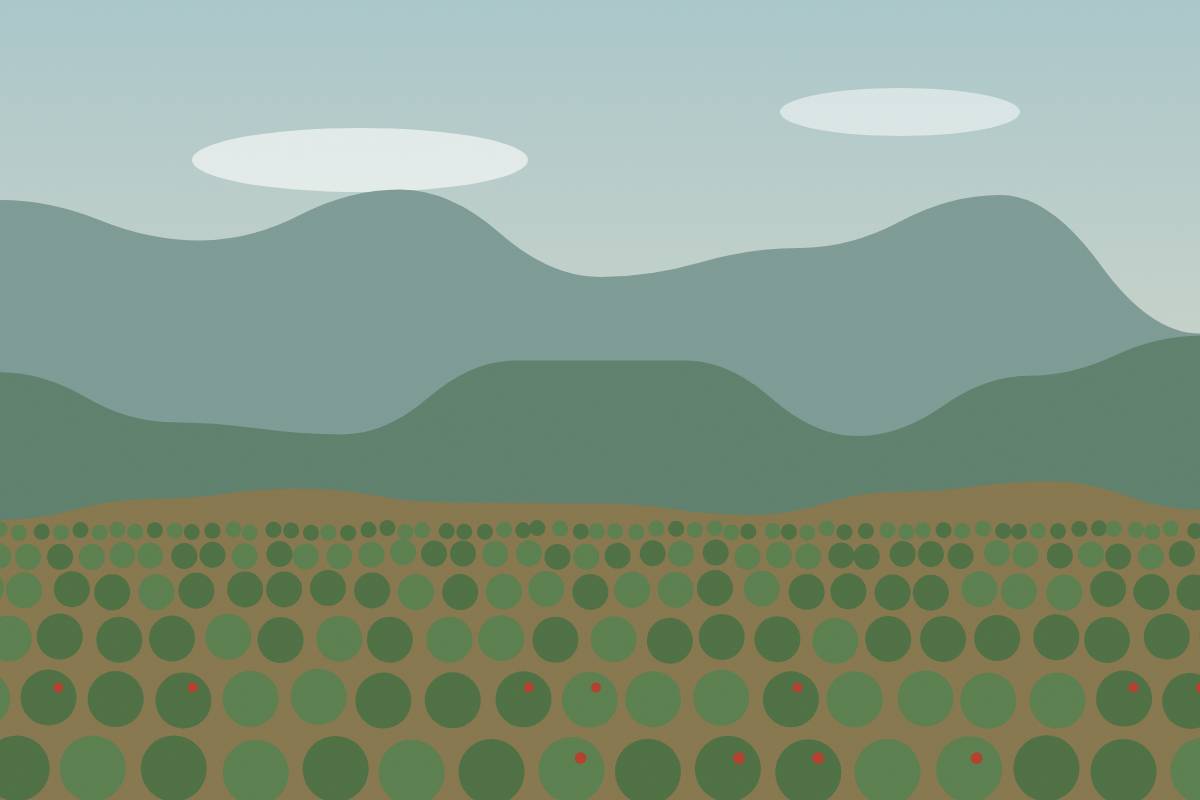
Huila has two harvests a year. We arrived in the middle of the main one, when pickers go over each tree every two or three weeks and take only the ripe red cherries. Ripe picking is slow and expensive, and it is the single biggest reason this coffee tastes the way it does.
Cherry is pulped the same afternoon it is picked, fermented overnight in tiled tanks, washed in channels of spring water and laid out on raised beds under plastic tunnels. Andrés, Lucía’s son, now runs the processing. He has started measuring the temperature and acidity of every fermentation tank and texting us the readings, which is more data than we get from most importers.
Something new
On the upper slope Andrés planted a plot of Pink Bourbon four years ago, and this is its first real harvest. We cupped it three times. It is unusual and lovely, all red berries and hibiscus, and we have agreed to buy the whole lot. Expect it as a limited release next spring.
What we talked about
Mostly money and weather. Fertilizer prices doubled after 2022 and have not come back down, and the rains are less predictable every year. We agreed on a price for next year’s harvest before we left, about fifteen percent above this year’s, and an advance in January so the family can buy fertilizer before the flowering.
That advance is the most useful thing we do as a buyer. It costs us a few months of interest; it saves them from borrowing at rates that would make your eyes water.