What your tap water does to your coffee
Coffee is ninety-eight percent water. Why the same beans taste different in Duluth and Denver, and three easy ways to brew with better water.
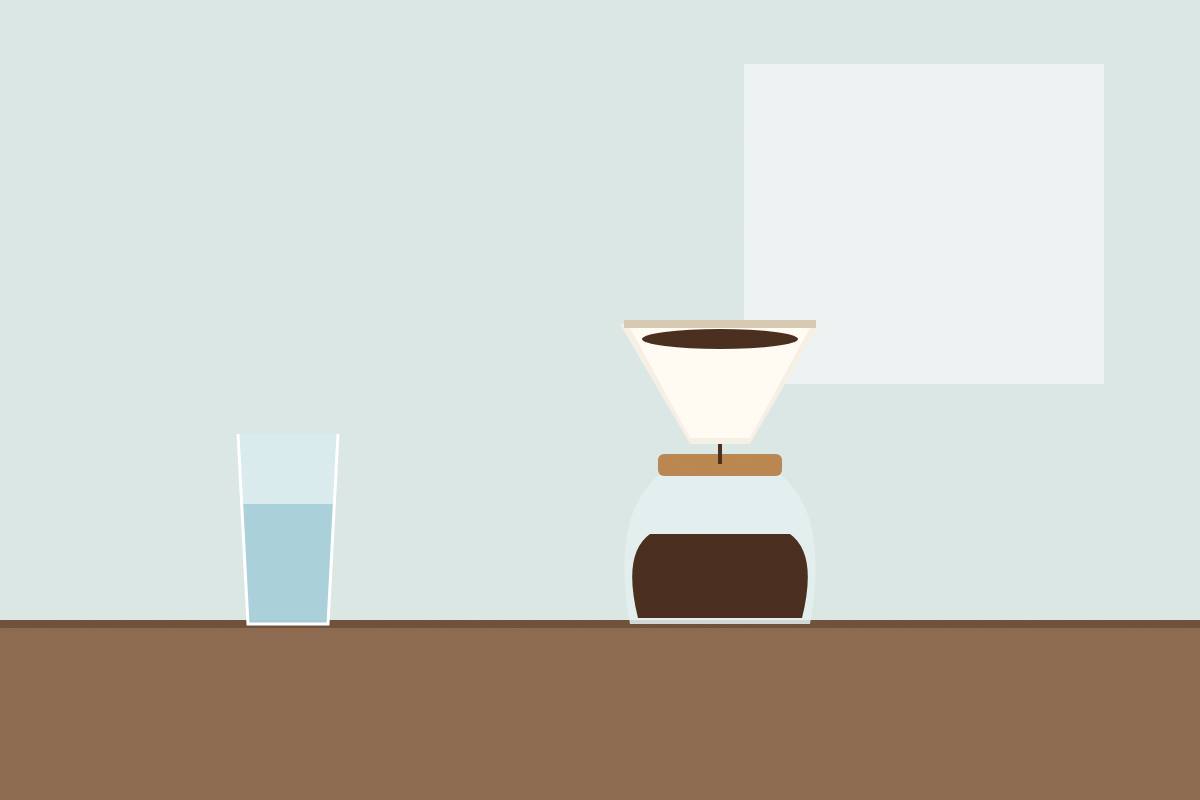
A customer in Arizona wrote to say our Harbor Light tasted flat and bitter, nothing like the jasmine and peach on the bag. We sent a fresh bag. Same result. Then she brewed it with bottled spring water and wrote back with a single word: “Oh.”
Why water matters so much
A cup of coffee is about ninety-eight percent water, and the minerals dissolved in that water do much of the work of pulling flavor out of the grounds. Magnesium and calcium help extract sweetness and fruit. Bicarbonate, the stuff that makes water hard and leaves scale in your kettle, neutralizes acidity. A little is good. A lot turns a bright coffee dull and chalky.
Duluth is lucky
Our water comes from Lake Superior and is soft, clean and low in bicarbonate. We roast and taste everything with it, which means our coffees are tuned for water many people do not have. Cities that draw from hard groundwater can have five to ten times the bicarbonate.
Three ways to brew with better water
- Use a jug filter. Carbon filters remove chlorine and some off flavors. They do little for hardness, but they are a real improvement for most city water.
- Try a bottled spring water. Look for one with low total dissolved solids, ideally under 150 parts per million. Brew the same coffee with tap and bottled water side by side and taste the difference.
- Make your own. Mineral packets for coffee are sold online and dissolve into a gallon of distilled water. It sounds fussy, but a gallon lasts most people a week.
Never use distilled water alone
Pure distilled water has nothing to grab flavor with. Coffee brewed with it tastes hollow and sour. Some minerals are the point.
If your coffee tastes different at home than at our cafés, water is the first thing to check, before grinders, kettles or recipes.